Convenience stores are tiny service hubs.
They are not just snack shops. Many handle ATMs, bill payments, parcel pickup, ticketing, printing and emergency everyday needs.
Japan is full of tiny systems, social habits, old traditions and everyday details that seem ordinary until someone points them out.
Not “Japan has sushi” trivia. These are the things that make you look around differently once you know they exist.
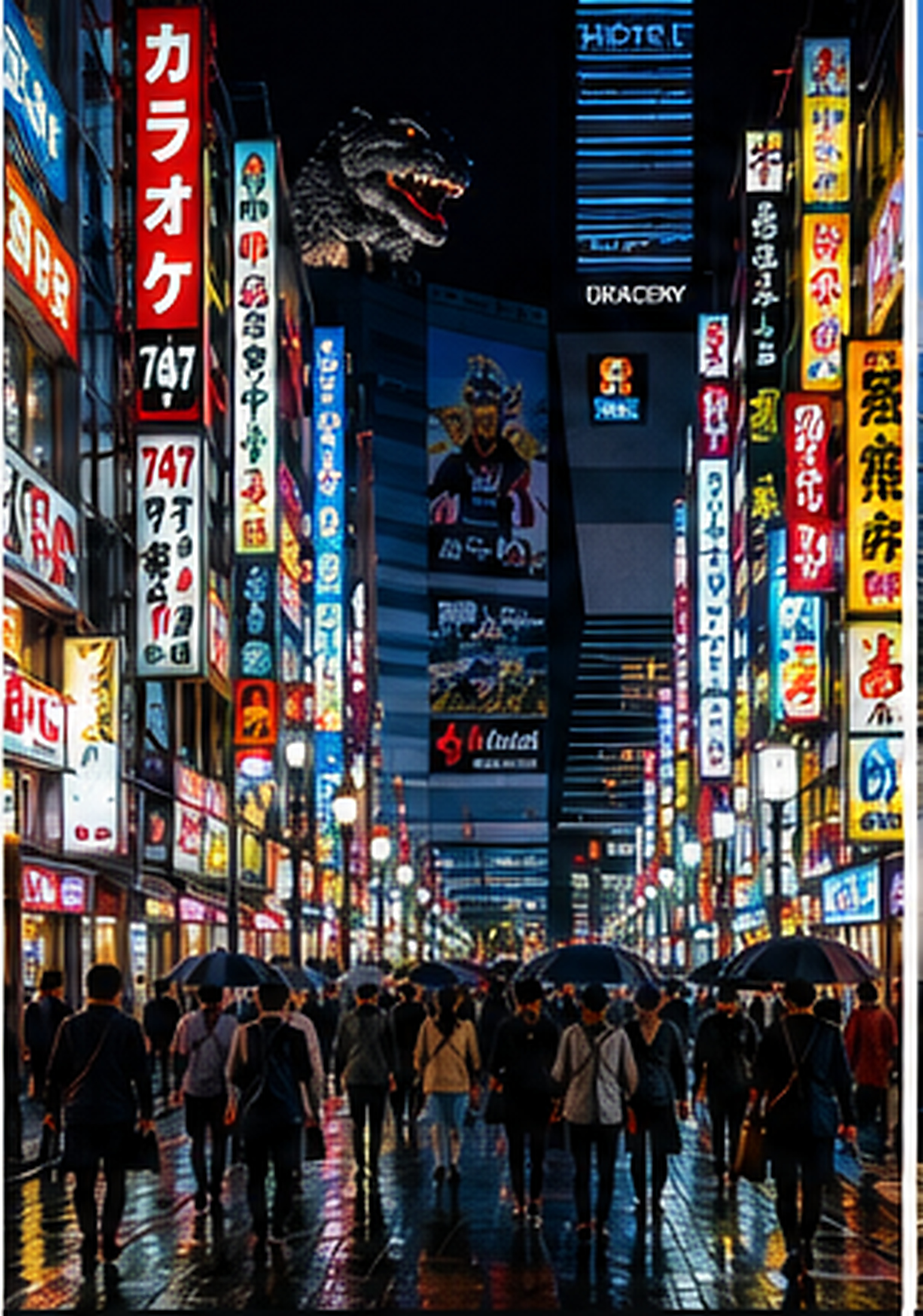
They are not just snack shops. Many handle ATMs, bill payments, parcel pickup, ticketing, printing and emergency everyday needs.
Major stations can contain department stores, restaurants, underground streets, offices and multiple rail systems before you even reach the street.
Rail punctuality shapes how people plan work, meetings and connections. Small delays are often announced because passengers actually notice them.
Police boxes, rail operators and dedicated lost-and-found centers create a surprisingly organized path for misplaced items to make their way back.
Restaurants, clinics, karaoke rooms, bars and offices can be stacked floor after floor in buildings that look unremarkable from outside.
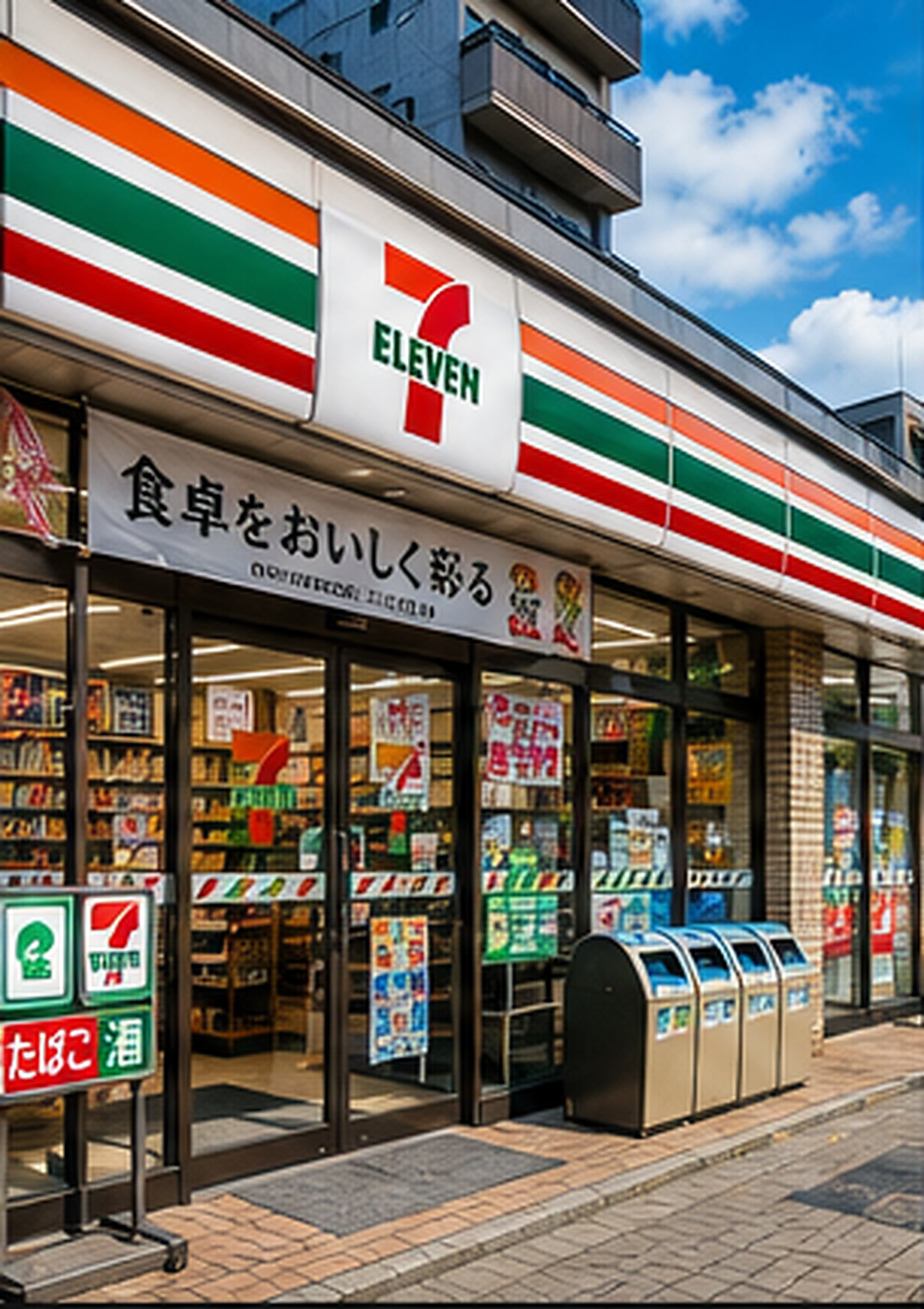
Japanese addresses commonly navigate from larger areas down to blocks and building numbers rather than relying mainly on street names.
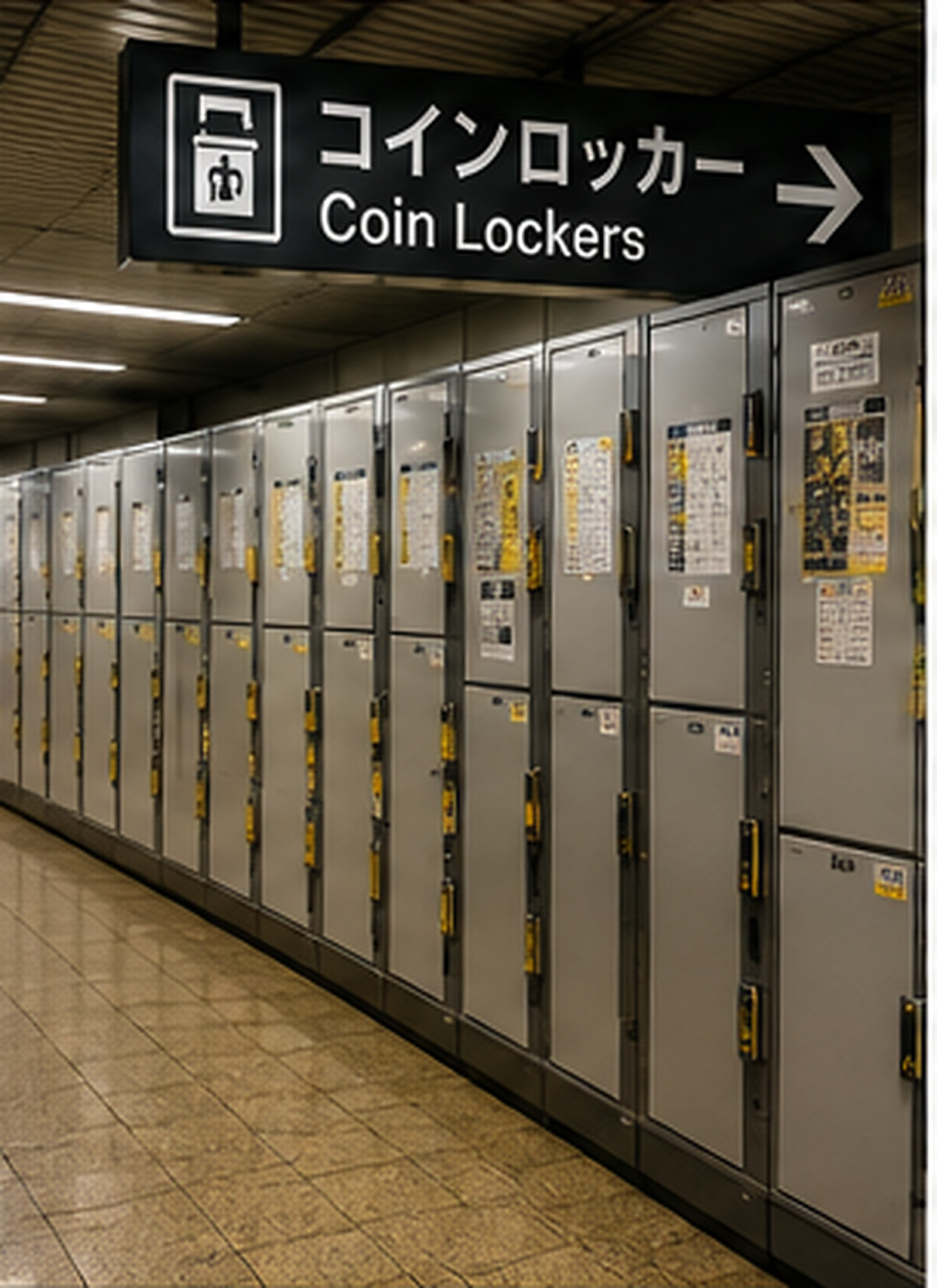
Stations and busy districts often have banks of lockers that let travelers temporarily disappear their luggage and keep exploring.
Their abundance is not only about convenience. Low vandalism, dense foot traffic and reliable maintenance make unattended retail practical.
A station's east, west, north or south exits can lead into completely different commercial, residential and nightlife worlds.
Queues, platform markings, umbrella stands, tray-return points and countless small systems reduce confusion without requiring much explanation.
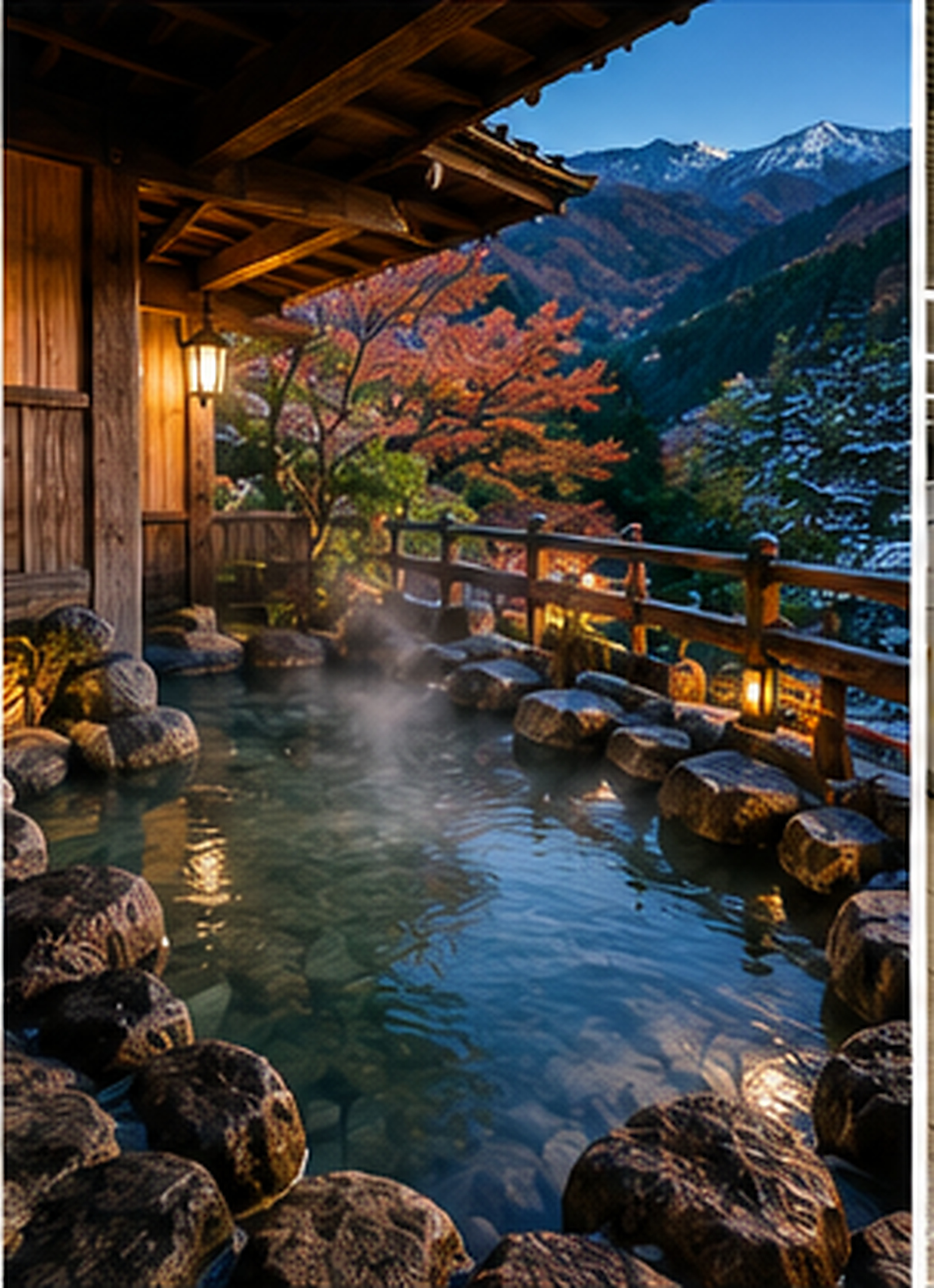
Sento and onsen are not merely luxury spa experiences. They are tied to neighborhood routines, travel, relaxation and social customs.
You may see exhausted commuters asleep on trains or people dozing in public without the situation automatically carrying the same stigma it might elsewhere.
A narrow staircase, tiny curtain or elevator directory may be the only visible clue to a memorable restaurant or bar upstairs.
Careful wrapping communicates presentation and care, but it also protects delicate foods and makes gift giving easy.
Bows, set phrases, careful handling of money and detailed farewells can make even an ordinary purchase feel highly structured.
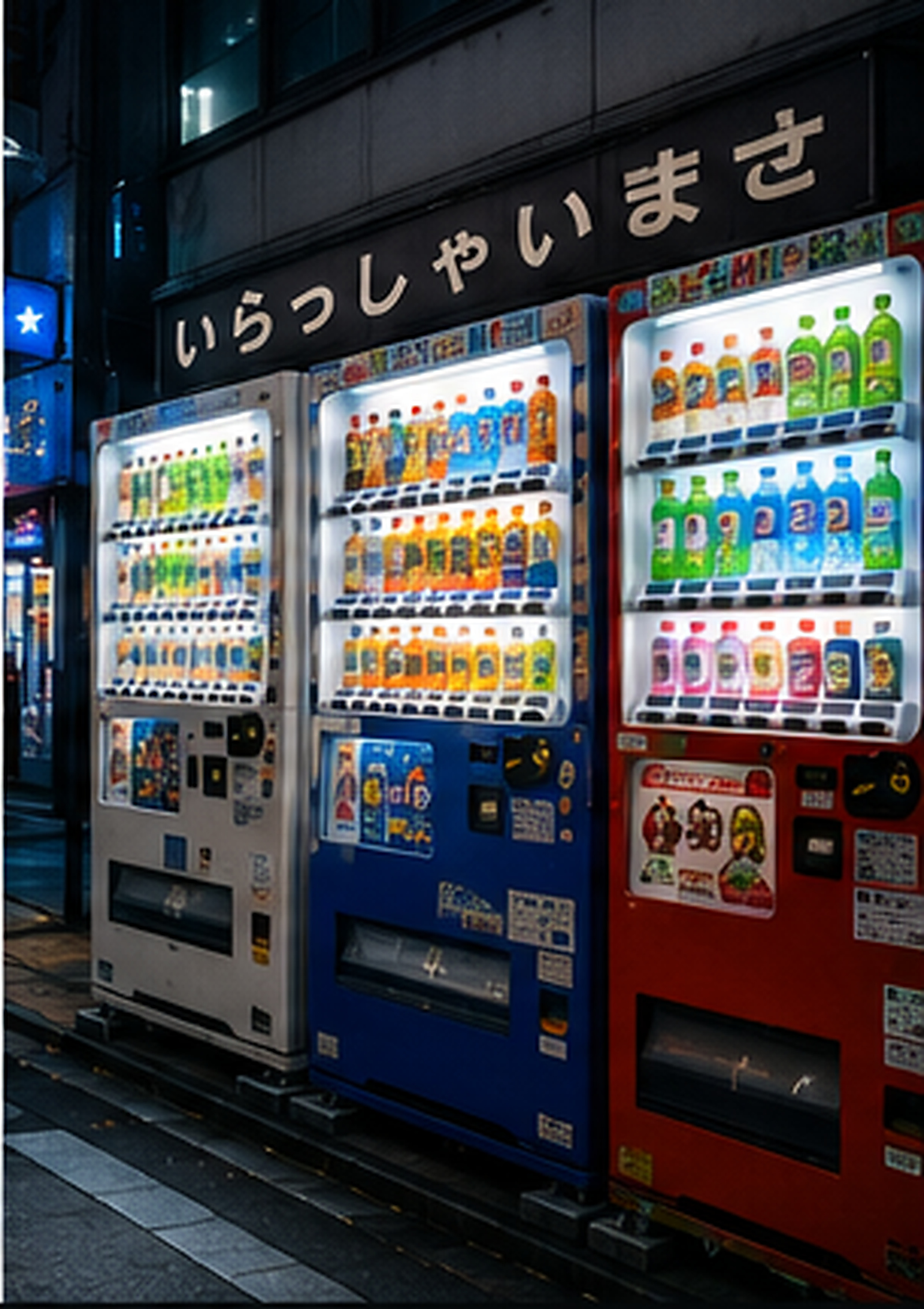
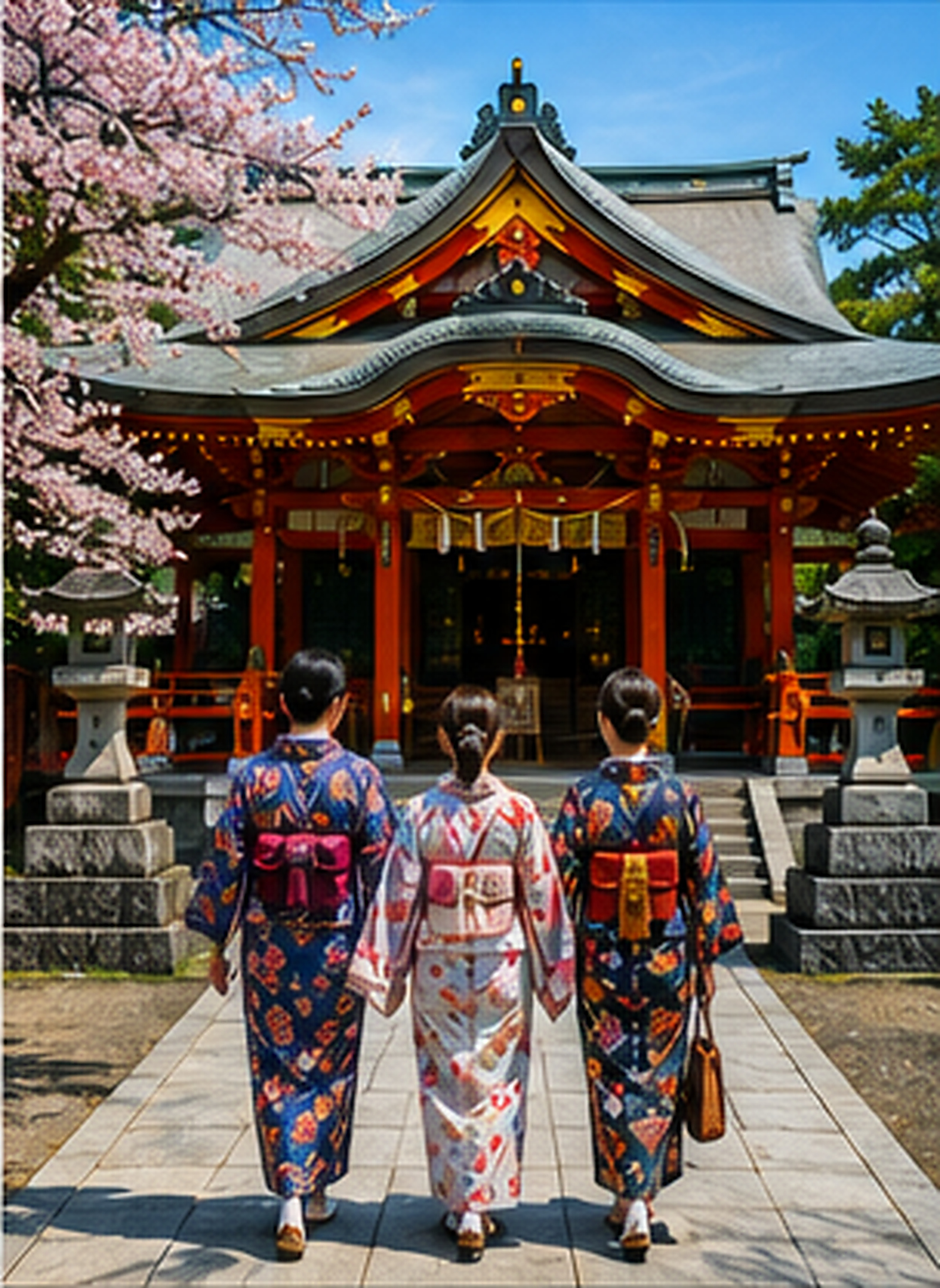
A few steps can take you from glass towers and LED screens into a centuries-old sacred space.
Japan rarely replaces one identity with the other. Ancient rituals, wooden neighborhoods and futuristic infrastructure often simply coexist.
Sliding doors, multi-use rooms, compact storage and carefully sized fixtures reflect a long history of making limited space work.
Restaurants, convenience stores and confectioners constantly rotate flavors and products around weather, holidays and agricultural seasons.
April's new school and company year, Golden Week, Obon and New Year create nationwide cycles of beginnings, reunions and travel.
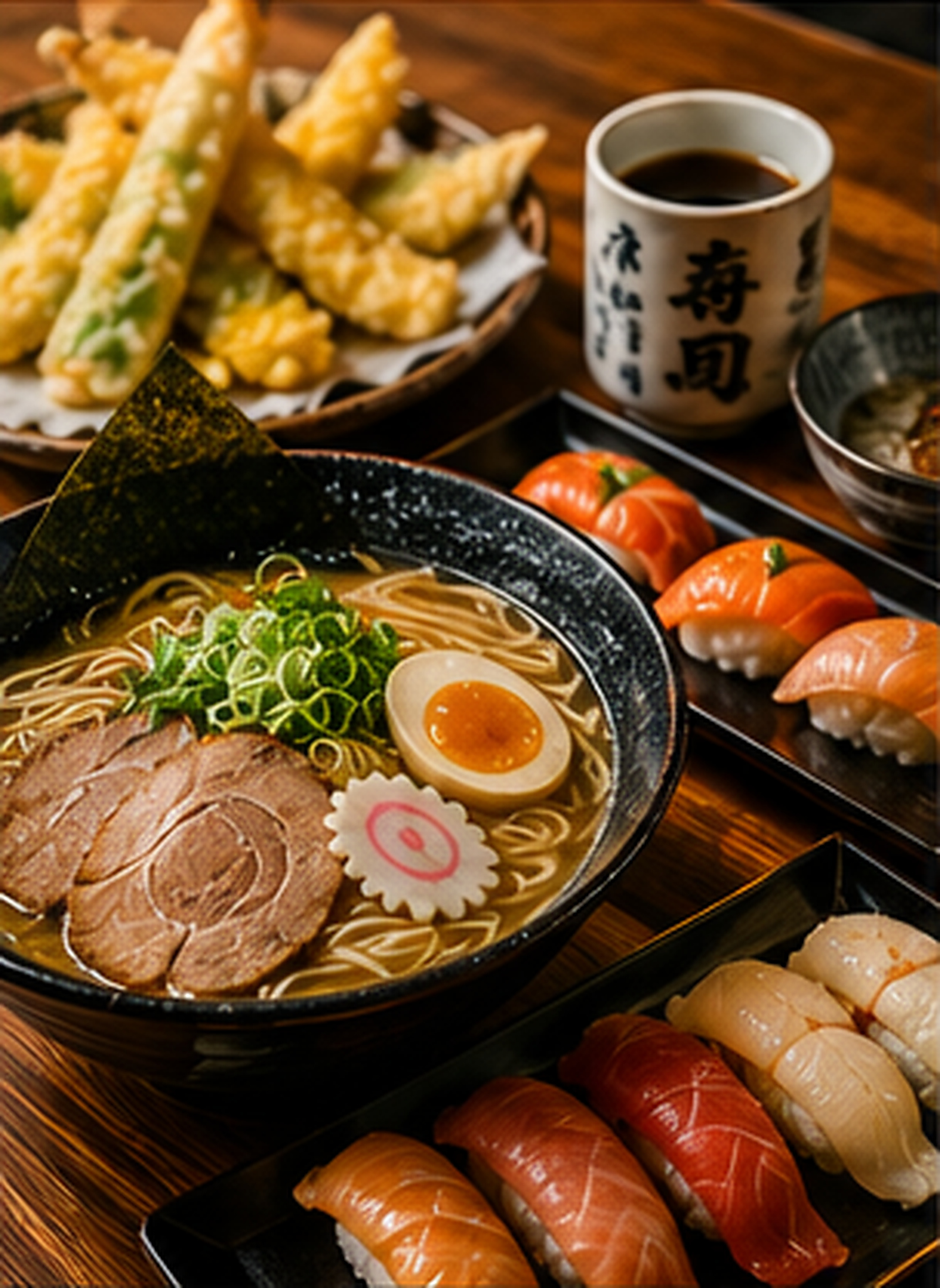
Contactless payments are everywhere, yet a tiny restaurant or neighborhood shop can still suddenly require cash.
Suica and PASMO can move you through trains and also pay for vending machines, convenience stores and many small purchases.
Takkyubin services can send suitcases between hotels, airports and destinations so travelers do not have to drag everything through stations.
Platform lines, designated boarding zones and clearly marked queues make orderly behavior easier because the environment tells people exactly where to stand.
Heated seats, bidets, privacy sounds and elaborate controls can make an everyday bathroom visit feel technologically excessive.
Drivers control the door, which is a tiny detail that surprises visitors and becomes completely normal after a few rides.
Logistics infrastructure is so integrated into daily life that a neighborhood convenience store can function as a shipping counter.
A relatively short train ride can move you from dense Tokyo into mountains, farms, hot springs and towns with a completely different pace.
Around midnight, people often make a real decision: go home now or accept that the night may continue until morning.
Around dawn, karaoke rooms, clubs and late-night restaurants release people back toward stations as the transport network starts again.
Shopping streets, restaurants, pedestrian passages and entire station complexes extend below the city in ways tourists often underestimate.
Emergency signage, evacuation areas, quake-resistant design and public drills are woven into ordinary infrastructure rather than presented as extraordinary.
Quiet residential areas can become crowded social spaces with food stalls, portable shrines, music and generations of local residents participating together.
Ceramics, knives, textiles, lacquerware and paper-making continue not just as museum pieces but as functioning businesses.
Regional identity is often expressed through one food, sweet, craft, hot spring or agricultural product that a town is intensely proud of.
Stations, shrines, museums and tourist sites often have commemorative stamps, turning travel into a low-tech collecting game.
Gachapon machines sell highly specific miniatures and collectibles aimed at adults as well as children.
Cities, police departments, transit systems and public agencies can have their own characters created to make institutions friendlier and more memorable.
Tokyo is not experienced only as one enormous city. People often identify strongly with their station area, shopping street and local routines.
After enough time in Japan, automatic doors, silent trains, tiny bars, seasonal rituals and hyper-organized systems stop feeling unusual—and that may be the most interesting fact of all.
KEEP EXPLORING TOKYO
Practical nightlife, going out solo, Roppongi after dark, the psychology of a night out, and the Japan details most visitors walk right past.
Social Rules Nobody Explains
Silence can be a form of consideration.
On trains and in shared spaces, keeping your voice down often communicates awareness of everyone else rather than social awkwardness.
The genkan is more than a place to remove shoes.
It creates a physical boundary between outside and inside. That small architectural feature carries a much larger idea about cleanliness and private space.
Politeness is often about reducing inconvenience.
Many behaviors visitors interpret simply as 'being polite' are also ways of keeping social interactions predictable and minimizing burden on others.
People frequently apologize before anything has gone wrong.
Words like sumimasen can function as excuse me, thank you, sorry and acknowledgment that you are briefly imposing on someone else's attention.
Group harmony can influence how disagreement is expressed.
Open confrontation may be softened, delayed or communicated indirectly, especially in workplaces and more formal relationships.
Gift giving has an entire social grammar.
Timing, wrapping, reciprocity and the situation can matter almost as much as the object itself.
Seasonal behavior is unusually synchronized.
Cherry blossoms, autumn leaves, New Year, summer festivals and even limited-edition foods can make huge numbers of people focus on the same seasonal moment.
Restaurants can build an identity around one dish.
Small businesses may spend decades refining ramen, eel, tonkatsu, soba or another specialty rather than expanding into a huge menu.
Tiny businesses can survive on regulars.
A bar with eight seats or a neighborhood restaurant with little online presence may survive through repeat customers rather than constant tourist traffic.
Reading the room matters.
The Japanese idea often described as kuuki wo yomu—reading the atmosphere—captures how much social information can be communicated without anyone saying it directly.